Skip to the content
Return to the Classroom
Animals from Around the World
Glass Frogs
-
Animal class: Amphibians (Have vertebrae (backbone or spine), are cold-blooded (their bodies cannot hold heat and must warm themselves by their surroundings like the sun), and can live on land and in the water, they lay their eggs in the water after the eggs hatch they go through metamorphosis (their bodies change) and start as a tadpole with gills, and will then change into their adult form and grow 4 legs and lungs, their skin does not have fur or feathers and helps them take in oxygen, and their sizes from the Paedophryne amauensis (a type of frog) at 0.27 in (0.7 mm ) to the Chinese giant salamander at 6ft (2 m)) (Examples: Frog, toads, salamanders, and newts. There are over 8,000 different species)
- Diet: Carnivore (They only eat meat)– Insects, spiders, and worms
- Lifespan: About 14 years
- Predators: Snakes, birds, monkeys, and wasps
- Size: 0.78-3 in (about 2- 8 cm)
- Species: There are between 120-150 different species of glass frogs, but there are over 7,000 different species of frogs
- Status: Endangered
- Weight: 1-3 oz (28-85 g)
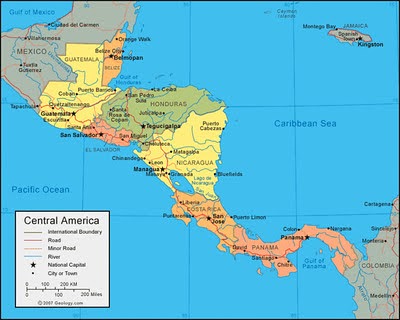 Where do they live?: They live in Central and South America.
- They live up in the mountains and lower lands in the rainforest trees and are always near water where they can lay their eggs.
- They are not poisonous.
- Some species are nocturnal (sleep during the day and awake at night) and will hunt at night
- One species has yellow spots on its back to look like the sunlight coming through the trees. These colors act like camouflage. During the night, these spots glow in the dark.
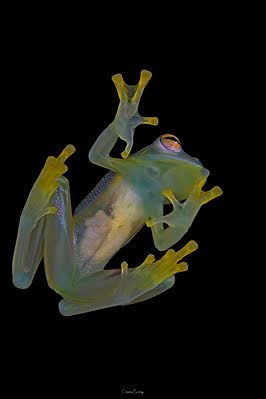
- Sometimes, their skin is see-through, and you can see their heart beating and internal organs.
- They can jump about 10 ft (3 m) in one jump.